Buyers who search for metal fabrication in Washington, DC, often find a long list of shops and little help comparing them. This guide covers the questions to ask a metal injection molding (MIM) parts maker, so you can judge process, quality, and sourcing before you request a quote.
MIM forms small, detailed metal parts in a mold and then finishes them in a furnace. The questions below help you check whether a maker explains each step clearly.
Why Do Washington, DC, Buyers Need a Question List?
A short question list helps you compare makers on the same terms. Washington, DC, buyers often source parts for medical, electronics, and defense programs, where documentation and consistency matter. A maker that answers plainly is usually easier to work with later.
Metal fabrication in Washington, DC, includes many service types, so confirm what a maker actually does. Ask which processes happen in house and which are sent out.
Here are the topics worth covering on a first call:
- The steps from raw material to finished part.
- The certifications the plant holds.
- How parts are inspected before shipment.
- What can be assembled and finished in one place.
- How the maker serves customers who are far from the plant.
Questions About the MIM Process
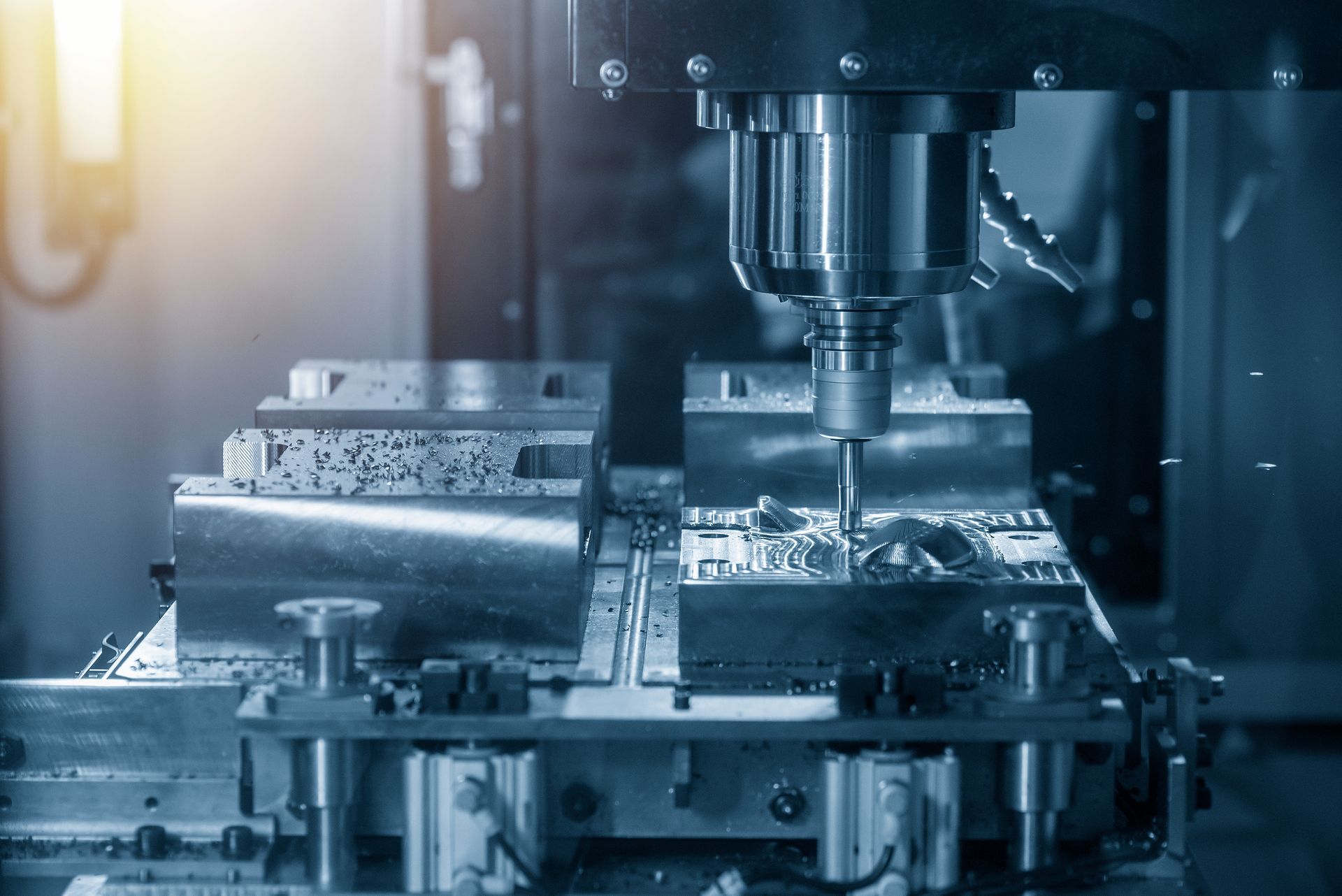
The process is the clearest way to see whether a maker knows its work. Ask for the steps in order, and expect a plain answer for each one.
What Happens Between Molding and Sintering?
After molding, the part goes through debinding. Debinding removes the binder that held the metal powder in shape. The part is then fragile, so ask how it is handled before it reaches the furnace.
What Does the Furnace Step Change?
Sintering bonds the metal particles into a dense, strong part. It also shrinks the part to its final size. Ask how the tooling accounts for that shrinkage, since this is where careful design pays off.
What Comes After Sintering?
Some parts need secondary processes before they are ready. These can include machining for tight tolerances or surface finishing. Ask which of these happen at the plant, and whether assembly is available when a product needs several pieces.
You can read a full outline of the steps on the MIM manufacturing process page before you call.
Questions About Quality and Certifications
Quality answers should be specific and easy to verify. A maker that serves medical and defense customers should be able to name the standards it follows.
Ask these questions about quality:
- Which certifications does the plant hold, such as ISO 9001 or ISO 13485?
- Does the plant hold FFL or ITAR registrations for firearm and defense work?
- At which points in the process are parts inspected?
- What records come with a shipment?
Inspection should happen after sintering and again after secondary processes. This matters because a part can change size and finish at each stage. Ask to see how the maker confirms that the final part matches your drawing.
Questions About Materials and Fit
The material list tells you what kinds of parts the maker can support. MIM commonly uses steels, stainless steels, titanium, Inconel, and soft magnetic alloys. Ask which alloys the maker runs most often and which suit your application.
Fit matters as much as material. MIM often suits small, complex parts made in larger quantities, while simple parts or very small runs may suit another process. A good maker will say so.
Share your drawing and expected volume early. A design review can point out features that are hard to mold, which saves time later.
Questions About Sourcing From Center City, MN
Distance is a fair question for any buyer. A plant in Center City, MN, serves customers across the country, including buyers in Washington, DC. Ask how orders ship, how schedules are shared, and how questions are handled when the team is in a different time zone.
Domestic production can also simplify planning. Ask where the metal, tooling, and finishing come from.
How Should You Compare Maker Answers?
Compare answers side by side so the differences are easy to see. Use this simple method:
- Write the same five questions for every maker.
- Record each answer in a short table.
- Mark any answer that is vague or missing.
- Ask the unclear makers a follow-up question.
- Request a design review with your top two choices.
This keeps the choice based on facts and shows which makers can explain the process from molding through inspection.
Quick Answers for Washington, DC, Buyers
Can a MIM Plant in Minnesota Serve Washington, DC?
Yes. MIM parts ship like most manufactured parts, so distance does not stop a plant from serving Washington, DC. Ask about shipping steps and schedule updates during your first call.
Is MIM the Same as Other Metal Fabrication?
No. MIM molds small metal parts and finishes them in a furnace, while other metal fabrication methods cut and shape larger pieces. The right choice depends on the size and detail of your part.
What Should I Send to Start a Quote?
Send a drawing, the material you prefer, and your expected order volume. These three items let the team judge whether MIM fits and what steps your part would need.
Talk to the Team About Your Part
Choosing a maker is easier when you know what to ask. Smith Metal Products makes MIM parts in Center City, MN, and serves metal fabrication buyers in Washington, DC, with molding, debinding, sintering, secondary processes, assembly, and inspection. The team can walk you through each step and answer your questions.
Send your drawing through the parts
request form to start a conversation. You can also read feedback about
Smith Metal Products on Google, then
call (651) 257-3143 to speak with the team.