Gun Part Manufacturing Serving Atlanta, GA
Center City, MN-based Smith Metal Products proudly serves Atlanta, GA, with precision gun part manufacturing solutions built for manufacturers and OEMs who need consistent, high-volume production. Using metal injection molding (MIM) technology, the team engineers complex firearm components with tight tolerances and repeatable quality. If you are ready to explore a new manufacturing partner, call (651) 257-3143 or visit the Contact Us page to submit your project details today.
Precision Gun Part Manufacturing Serving Atlanta, GA
Smith Metal Products delivers reliable firearm component production to clients in Atlanta, GA, using advanced MIM technology. MIM combines the flexibility of injection molding with the strength and performance of metal, making it well suited for high-volume production runs. The process may produce complex geometries and intricate details that traditional machining often cannot achieve as cost-effectively at scale.
Smith Metal Products holds a Federal Firearms License (FFL) and maintains ITAR and ISO 9001:2015 certifications, which reflect the company's commitment to precision and regulatory compliance. These credentials matter in firearm component manufacturing, where dimensional accuracy and traceability are critical. Manufacturers serving Atlanta, GA, can benefit from a partner whose quality systems are purpose-built for defense and firearms applications.
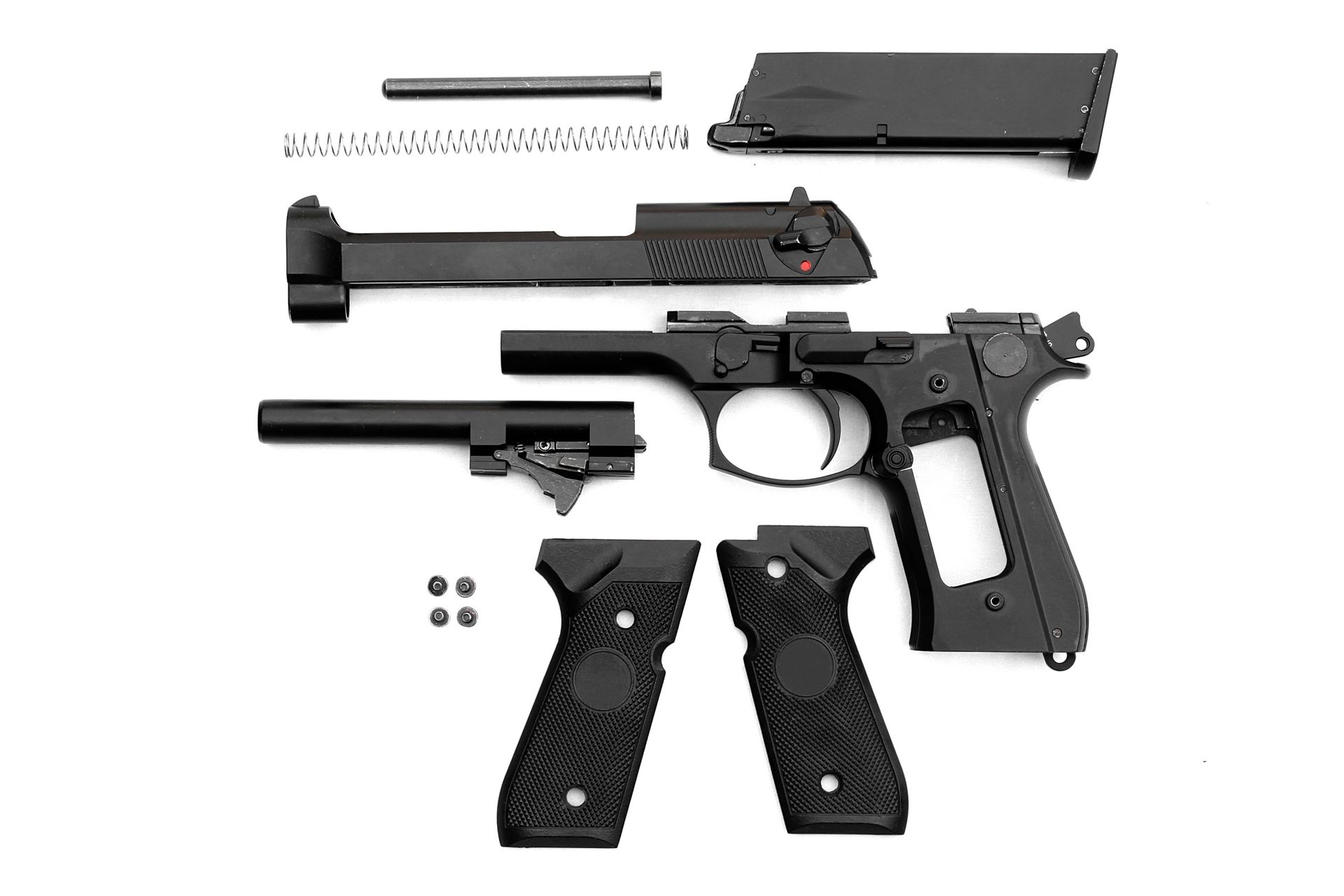
Common firearm parts manufactured through the MIM process can include triggers, hammers, safety levers, firing pins, extractors, slide stops, disconnectors, and bolt catches. Components that are small, complex, and needed in large quantities tend to be strong candidates for this approach.
What Can You Expect From the MIM Production Process?
Working with Smith Metal Products on MIM firearm components typically follows a structured, collaborative path from design to delivery.
- Submit your CAD file or drawings to the team for a design-for-manufacturability (DFM) review.
- Receive a comprehensive assessment of MIM viability, material options, and potential cost considerations.
- Finalize the mold design, with input from process engineers focused on wall thickness, gate location, and parting lines.
- Move into production using the BASF/Catamold production system within a 65,000-square-foot facility.
- Receive completed parts that have passed quality inspection, packaging, and fulfillment steps as part of the full Part Program Management system.
This process may help reduce secondary machining needs and lower per-part costs when volumes typically exceed 25,000 parts per year for a single design.
Why Production Consistency Matters in Firearm Component Manufacturing
Consistent parts reduce assembly issues and warranty claims downstream. Smith Metal Products uses continuous de-bind and sintering furnaces, multiple CNC machining centers, and an on-site inspection lab to support production consistency across large runs. Every order is approached with the same level of technical attention, whether it is a standard component or a complex custom design.
Frequently Asked Questions
1. What Is Metal Injection Molding and Why Is It Used for Firearm Parts?
Metal injection molding combines the design flexibility of plastic injection molding with the mechanical properties of metal. The process produces small, complex components such as trigger groups and safety levers with tight tolerances and consistent repeatability at volume. For gun part manufacturing for Atlanta, GA clients requiring high annual quantities, MIM may offer a compelling cost and quality advantage over conventional machining.
2. What Certifications Should a Firearm Component Manufacturer Hold?
A qualified manufacturer typically holds a Federal Firearms License (FFL), required to legally produce certain regulated components. Certifications such as ISO 9001:2015, ISO 13485, and ITAR registration speak to quality management systems and regulatory compliance, which matter especially for OEMs and defense-channel suppliers.
3. Which Metals Are Used in MIM Firearm Component Production?
Stainless steel is the most common MIM material due to its corrosion resistance and strength. Titanium is used where a superior strength-to-weight ratio is needed, and specialty alloys such as Inconel may be processed depending on the application.
4. How Does MIM Handle Secondary Operations and Final Inspection?
After sintering, parts may move through coining, heat treatment, surface finishing, and CNC machining. We perform assembly in-house, and final inspection verifies dimensional accuracy before parts ship, ensuring every component meets the agreed specification.
5. What Production Volumes Make MIM a Good Fit?
MIM typically becomes cost-effective at 10,000 parts or more annually, with per-part economics improving as volume scales. Companies pursuing gun part manufacturing for Atlanta, GA markets will find that programs in this volume range are strong candidates for a design and feasibility review with our team.
To discuss a firearm component program, contact Smith Metal Products at (651) 257-3143 or email sales@smithmetals.com. Learn more about the MIM manufacturing process or explore design for manufacturability guidance to prepare your component for production.
Smith Metal Products is a trusted MIM partner serving Atlanta, GA, combining over 25 years of expertise with FFL and ITAR compliance to support firearm manufacturers who need precision, volume, and consistency. Connect with the team by calling (651) 257-3143, visiting the Contact Us page, or exploring the MIM firearm parts service pageto learn more about capabilities. You can also find Smith Metal Products on Google Maps for additional business details.